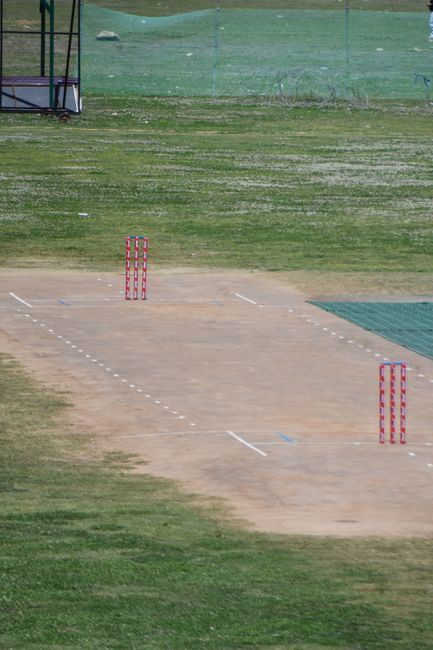
Lords Cricket Ground rubbish clearance guide for local events

If you are planning a matchday activation, a corporate hospitality event, a charity fundraiser, or a private gathering near Lord's, rubbish piles up faster than most people expect. Cups, packaging, catering waste, broken boxes, posters, cable ties, food scraps, and the odd rogue chair leg can turn a neat venue into a messy one in a matter of minutes. This Lords Cricket Ground rubbish clearance guide for local events is here to make that side of the job far easier.
Truth be told, event waste is one of those jobs that looks simple until you are standing in it at 10:30pm, the bins are full, the schedule has slipped, and the site team wants the area clear before morning. The good news? With the right plan, rubbish clearance can be calm, tidy, and surprisingly efficient. This guide explains how it works, what matters most, what to avoid, and how to choose the best clearance method for local events around St John's Wood and the wider NW8 area.
Whether you are organising a one-off community function or repeated event support over a season, the aim is the same: keep the site presentable, protect visitors and staff, and remove waste without creating unnecessary stress. Let's make it practical.
One quick note before we get into it: local event waste is not just about "taking the rubbish away". It is about timing, segregation, access, safety, permits where needed, and leaving the area ready for the next wave of guests. That is where the real value sits.
Why rubbish clearance around Lord's matters
Lord's Cricket Ground sits in a busy part of London where footfall, delivery traffic, local residents, and event operations all overlap. That makes rubbish clearance more than a tidy-up task. It is part of the event itself. If waste is left unmanaged, it can affect guest experience, create slip hazards, attract pests, and make the venue look unprepared the next morning.
For local events, there is also the question of neighbours. In a place like St John's Wood, noise, blocked pavements, overflowing bags, and poorly timed collections are noticed quickly. You do not need drama. You need a plan that respects the venue, the street, and the people using both.
There is a second layer too: event waste is often mixed. You may have general rubbish, cardboard, drinks waste, food waste, light construction debris from staging, and sometimes bulky items from temporary fit-outs. If these streams are bundled together badly, disposal becomes slower and more expensive, and recycling opportunities are lost. That is a shame, honestly, because a lot of event waste can be handled more neatly with a bit of forethought.
Practical takeaway: around Lord's, rubbish clearance works best when it is treated as an operational function, not an afterthought. The earlier you build it into the event plan, the smoother everything feels on the day.
How rubbish clearance around Lord's works
At a local event level, rubbish clearance usually follows a simple pattern: assess, separate, collect, load, remove, and dispose or recycle appropriately. The detail changes depending on the event type, the volume of waste, and access constraints. In our experience, the best results come when the collection method is chosen before the first crate of drinks arrives.
Typical process flow
- Pre-event assessment: estimate the likely waste volumes, types of waste, loading access, and timing windows.
- Container or collection choice: decide whether you need a skip, man and van removal, grab hire, wait-and-load, or a combination.
- On-site segregation: separate recyclables, general waste, food waste, cardboard, and bulky materials where practical.
- Scheduled collection: remove waste during agreed time slots to avoid disruption to guests, staff, and neighbours.
- Final sweep: clear loose litter, check hard-to-see corners, and leave the area ready for the next use.
The exact method depends on access. Some event sites near Lord's are easier to manage with a vehicle that can park briefly, load quickly, and leave. Others need fixed containers placed ahead of time. If there is limited room for a skip or loading bay, a service such as wait and load skip hire can be far more practical than trying to force a larger setup into a tight street.
Another common reality: event waste often arrives in waves. Set-up waste appears in the morning, catering waste builds during service, and dismantling waste lands at the end. If your plan only covers the final clear-up, you will feel the pinch. The smoother operators build in mid-event overflow handling too. Not glamorous, perhaps, but very effective.
Key benefits and practical advantages
Good rubbish clearance does more than empty bins. It protects the event's reputation, keeps staff working safely, and helps everyone move faster. There is a reason experienced organisers treat waste as part of the venue logistics rather than a separate chore.
- Cleaner guest experience: tidy spaces feel controlled, professional, and more welcoming.
- Lower safety risk: less loose waste means fewer trip hazards and fewer blocked walkways.
- Better recycling outcomes: when waste is separated properly, more material can be diverted from general disposal.
- Faster turnaround: events end more smoothly when the clearance crew knows the plan.
- Less pressure on staff: venue teams and volunteers can focus on people, not piled-up bags.
- Better neighbour relations: quiet, timely removal is simply kinder to the local area.
There is also a commercial upside. Efficient waste handling can reduce double handling, wasted labour, and last-minute panic bookings. A well-managed clearance plan tends to save money indirectly, which is often where the real value hides. Not flashy. Just sensible.
| Outcome | Poorly planned clearance | Well planned clearance |
|---|---|---|
| Site appearance | Overflowing bags, clutter, litter | Clear, orderly, professional |
| Speed of turnaround | Slow and reactive | Fast and predictable |
| Safety | More trip and spill risks | Cleaner walkways and fewer hazards |
| Waste handling | Mixed loads, missed recycling | Separation and better disposal choices |
| Staff stress | High, especially at close | Lower, because the plan is already set |
Who this is for and when it makes sense
This guide is useful for a wide range of local event organisers. You might be planning a hospitality suite, a sponsor activation, a corporate reception, a private function, a community day, or a small-scale public event. The details change, but the same questions crop up every time: how much waste will there be, where will it go, and who clears it?
It also makes sense for:
- event managers working near Lord's or in NW8
- venue teams coordinating recurring functions
- catering contractors handling post-service waste
- temporary fit-out teams removing packaging and light debris
- facility managers who need a dependable turnaround process
- organisers who want a clean site without relying on ad hoc bin stacking
If your event is small, you may only need a straightforward rubbish removal service. If it is larger or has mixed waste streams, you may need a blend of methods. For example, a site with bulky setup waste and general event litter might combine rubbish removal with a more structured collection plan. That mix-and-match approach is often more practical than trying to make one method do everything.
When does it stop making sense to improvise? Usually when waste starts affecting access, safety, or timing. If bags are being parked in corridors or behind temporary bars because "we'll deal with it later", later tends to arrive fast. And messier.
Step-by-step guidance
Below is a clear way to approach local event rubbish clearance around Lord's. It is deliberately practical. No fluff, no mysterious jargon.
1. Estimate the waste before the event starts
Start with the basics: guest numbers, catering style, packaging levels, and whether there will be setup or dismantling waste. A seated hospitality event creates different waste from a standing reception. Cardboard, bottles, food scraps, florals, and printed materials all behave differently once the event is over.
If you are not sure, overestimate slightly. Underestimating waste is one of the easiest ways to create chaos at close.
2. Identify waste types early
Separate the likely streams in advance. That might include:
- general mixed rubbish
- cardboard and packaging
- glass and cans
- food waste
- bulky items such as staging offcuts or furniture packaging
- special items that need separate handling
Some items may need specialist handling. If the event involves damaged refrigeration units, old display equipment, or anything unusual, a service like fridge and appliance removal may be more suitable than standard rubbish collection.
3. Check access and timing
Access can make or break the plan. Think about vehicle width, loading points, pedestrian movement, and whether collections need to happen before doors open, during a lull, or after guests leave. Around busy parts of London, a perfectly good waste plan can fail if the truck cannot get in or out efficiently.
Time of day matters too. Early morning and late evening windows may be quieter. Mid-afternoon can be a different story entirely.
4. Match the method to the waste volume
Choose the lightest method that can still handle the job properly. For example:
- small, fast clear-ups: man and van or same-day collection
- larger mixed loads: skip hire or grab hire
- tight access and time pressure: wait and load
- larger site work or breakdown waste: grab lorry or dedicated site clearance
If you expect a lot of packaging, an organised construction waste clearance style approach can help even for non-construction events, because the same logic applies: separate, stack properly, and remove in a controlled way.
5. Create a collection point
Set one or two clear points where waste will be gathered. Too many collection points create confusion. Too few, and staff start making "temporary" piles in awkward places. You know the type. Suddenly there is a bag behind a planter, a box beside a service door, and a crate nobody owns.
Keep it simple. Mark the location, brief the team, and make sure everyone understands what belongs there.
6. Build in a final sweep
The final sweep is where a decent job becomes a proper one. Check behind furniture, under tables, around service areas, and along the edge of temporary structures. Small items are easy to miss, especially when lights are being lowered and everyone is tired.
That last walk-through is worth it. Always.
Expert tips for better results
These are the sorts of things that make a clearance job feel calm instead of clunky. They come from simple field experience, and they matter more than people often expect.
- Label bins before the event: if guests and staff know what goes where, contamination drops quickly.
- Keep cardboard dry: wet cardboard is heavier, messier, and harder to recycle well.
- Use one person as the waste lead: a single point of responsibility prevents confusion.
- Plan for the "last 20%": the final awkward bags are usually what cause delays.
- Protect loading routes: a clear route saves time and reduces trip hazards.
- Brief caterers and contractors separately: each group creates different waste, and they should know the rules.
Here is a small but useful one: have a few spare heavy-duty bags and a roll of tape on hand. It sounds almost too basic to mention, but when a bag splits or a box gives way, those simple extras save a lot of hassle. No one ever regrets having them close by.
If the event is likely to produce mixed material and limited on-site storage, consider services that can handle both removal and sorting through responsible downstream processing. The broader waste recycling services page is a useful reference point for that kind of thinking.
Common mistakes to avoid
Most event waste problems are predictable. That is the annoying bit, and the good bit, because it means they can be avoided.
- Leaving waste planning too late: by then you are choosing from bad options.
- Ignoring access constraints: a service vehicle is no help if it cannot safely reach the site.
- Mixing all waste together: this slows disposal and can reduce recycling.
- Using the wrong container size: too small creates overflow; too large can be unnecessary and awkward.
- Forgetting bulky items: chairs, pallets, display boards, and packaging often get missed.
- Assuming volunteers will sort it all out: they can help, but they should not have to rescue a broken plan.
- Neglecting the final sweep: this is how loose litter gets left behind.
One of the most common issues near busy venues is trying to "temporarily" stack waste in public-facing areas. It rarely stays temporary. It just becomes more visible. And if the wind picks up, well, the scene can unravel in minutes. A lightweight wrapper has an astonishing sense of timing.
Tools, resources and recommendations
You do not need a mountain of equipment to run a clean event. But a few practical tools make life much easier.
| Tool or resource | Why it helps | Best used for |
|---|---|---|
| Clear bin labels | Reduces contamination and confusion | Recycling and mixed waste separation |
| Heavy-duty liners | Less tearing and cleaner handling | Food waste and general rubbish |
| Handheld trolleys | Speeds up movement over short distances | Internal transfers and back-of-house areas |
| Spare tape and wrap | Secures loose packaging and broken boxes | Setup and breakdown waste |
| Gloves and basic PPE | Protects staff during handling | Collection points and final sweep |
For heavier loads or limited access, a grab hire service can be a smart choice because it handles bulk movement efficiently. If your site is especially tight or you need a very controlled collection window, man and van style removal can be easier to fit into the flow of an event day.
If you are comparing collection approaches, it also helps to look at practical support pages such as skip sizes and prices and what can go in a skip. Those pages help you avoid a very common mistake: booking the wrong format for the type of waste you actually have.
Law, compliance, standards, and best practice
Any serious event waste plan should respect UK waste handling expectations and local site rules. The exact obligations depend on the event, the waste type, and who is generating the waste, so it is sensible to be careful here rather than casual.
In practical terms, best practice usually means:
- keeping waste secure so it does not blow, spill, or obstruct public areas
- separating recyclable materials where reasonably possible
- making sure waste is collected and transported by an appropriate provider
- avoiding unsafe manual handling where loads are too heavy or awkward
- protecting staff, guests, and passers-by during loading
For event organisers, the biggest compliance risk is often not a dramatic one. It is a simple lapse: rubbish left in the wrong place, a blocked route, or waste stored badly overnight. Those situations can lead to complaints, safety issues, or more work the next day.
Good providers should also have sensible operational standards around insurance, safety, and responsible disposal. If you are assessing a supplier, it is worth reviewing pages such as insurance and safety and health and safety policy. No need to get lost in paperwork, but you do want confidence that the basics are being handled properly.
For many event teams, the best rule is simple: if a waste choice might create risk, slow the event, or affect the public realm, slow down and check it. That tiny pause can save a larger headache later.
Options and comparison
Different clearance methods suit different event setups. There is no single perfect option. The right choice depends on access, volume, timing, and how mixed the waste is.
| Method | Best for | Strengths | Limitations |
|---|---|---|---|
| Skip hire | Planned loads, larger volumes, set locations | Simple, structured, good for ongoing disposal | Needs space and sometimes permits |
| Wait and load | Tight streets, quick collections | No long static placement, flexible timing | Requires fast loading and clear scheduling |
| Grab hire | Bulky waste, faster lifting, awkward piles | Efficient for larger or heavier loads | Needs access for the vehicle arm and safe placement |
| Man and van | Smaller jobs, mixed items, short notice | Very flexible, useful for ad hoc waste | Not ideal for very large volumes |
| Dedicated rubbish removal | End-of-event clear-down | Hands-off for the organiser, good for one-time jobs | May need more coordination for sorted waste |
For many local event scenarios near Lord's, the best option is a hybrid one. A skip can handle steady setup waste, while a van or wait-and-load arrangement clears the final post-event clutter. That way you do not force one system to do every task badly. Seems obvious, but it gets overlooked a lot.
When in doubt, think about the rhythm of the event. If waste appears steadily over several days, fixed disposal may work well. If waste appears in bursts, a flexible collection method usually wins.
Case study or real-world example
Here is a realistic example based on the kind of job that comes up around local venues.
A small hospitality event near Lord's had three distinct waste streams: catering packaging, cardboard from deliveries, and mixed guest waste at the end of the evening. The organiser first thought a single large bin would do the job. It did not. By mid-afternoon, cardboard was leaning against a service wall, food waste was starting to smell a bit in the heat, and the team was getting twitchy about where everything should go.
The fix was simple but important. The team set up a clear temporary sorting point, arranged a fast collection window for the bulky cardboard, and used a separate removal run for the final mixed waste after guests left. The space was tidier, the staff had less to think about, and the event closed down without a pile of bags waiting in the corner. Nothing dramatic. Just organised.
The key lesson was not that they needed more bins, although that helped. It was that they needed a plan for each phase of the event. Once they made that shift, the whole process felt calmer and more controlled.
That is usually how good event waste management works. It looks almost too straightforward afterwards.
Practical checklist
Use this checklist before event day, and again during breakdown if needed.
- Have you estimated likely waste volume and waste types?
- Have you chosen the right clearance method for access and timing?
- Are collection points clearly marked for staff and contractors?
- Are recyclables separated where practical?
- Have you briefed caterers, setup crews, and venue staff?
- Is there a final sweep plan for corners, service areas, and behind fixtures?
- Do you have spare liners, tape, gloves, and basic equipment?
- Is the loading route clear and safe?
- Have you checked whether bulky items need separate handling?
- Is the collection window aligned with the event schedule?
- Have you reviewed any permit, access, or site requirements in advance?
- Do you know who is responsible if waste levels rise unexpectedly?
If you can tick most of those items off, you are already ahead of many event teams. Not perfect, maybe. But properly prepared, which is what matters.
Get a free quote today and see how much you can save.
Conclusion
Managing rubbish around Lord's for local events is not complicated, but it does need thought. The best setups are planned early, matched to the waste type, and designed around real-world access and timing. That is what keeps the site tidy, the staff calm, and the event experience feeling polished rather than patched together.
If you remember only one thing from this guide, make it this: event waste works best when you decide how it will be handled before the pressure starts. A few sensible choices up front can save hours later. And honestly, that is a relief when the day is already full enough.
For organisers in St John's Wood and nearby parts of NW8, a careful clearance plan can make a surprisingly big difference to the finish of an event. Clean, quiet, and organised is never boring. It is what lets everything else shine.
Frequently Asked Questions
What is the best rubbish clearance method for a local event near Lord's?
It depends on space, waste volume, and timing. Small one-off events often suit man and van removal or wait-and-load, while larger or longer events may need skip hire or grab hire. The best choice is the one that fits the site, not just the one that sounds easiest on paper.
Do I need a skip permit for event waste clearance?
Sometimes, yes. If a skip is placed on public land or a highway-adjacent area, a permit may be required. The exact requirement depends on location and placement, so it is worth checking the setup early rather than leaving it to the last minute.
How far in advance should I arrange rubbish clearance for a Lord's event?
Ideally, as soon as the event logistics are being finalised. Even a simple event benefits from early planning because access, loading windows, and waste type all affect the best clearance method. Leaving it too late usually means fewer good options.
Can catering waste and cardboard be removed together?
They can be, but it is usually better to separate them if you can. Cardboard is easier to recycle when it stays dry and clean, while food waste needs more careful handling. Mixed loads are possible, but separation usually improves efficiency.
What if the event produces more waste than expected?
Build in a bit of flexibility. Extra bags, an overflow point, and a backup collection option can help a lot. This is where flexible services such as same-day or wait-and-load arrangements can be very useful.
Is grab hire suitable for local event clean-up?
Yes, especially when the waste is bulky, heavy, or stacked in a way that makes lifting awkward. Grab hire is often a practical choice for larger clearances, but it does need suitable access for the vehicle.
How do I keep rubbish from becoming a safety issue during the event?
Place bins in sensible locations, keep collection points out of main walkways, and remove waste before it spills over. A final sweep is also important because small items are the ones people trip over when the event is winding down.
What should I do with bulky items like displays, pallets, or broken furniture?
Do not assume they can go with ordinary bagged rubbish. Bulky items often need a separate removal plan, especially if they are awkward to carry or contain mixed materials. A dedicated clearance method is usually safer and faster.
Can I book rubbish removal at short notice for a Lord's-area event?
Often, yes, but it depends on availability and the size of the job. Short-notice bookings are more likely to work when access is clear and the waste stream is straightforward. If the site is busy, it helps to be flexible on timing.
What is the difference between rubbish removal and skip hire for events?
Rubbish removal is usually more hands-off and suited to quick clear-outs or mixed items that are already gathered. Skip hire works better when you need an on-site container over time. The best choice depends on whether waste needs to be stored or simply taken away.
How do I make event waste clearance more environmentally sensible?
Separate recyclables where possible, avoid overfilling mixed waste containers, and use a provider that handles disposal responsibly. Reducing contamination is one of the simplest ways to improve the recycling outcome without adding much extra effort.
What should I ask a clearance provider before booking?
Ask about access needs, collection timing, waste types accepted, safety procedures, and whether they can handle the volume you expect. It also helps to ask how they manage bulky or unusual items so there are no surprises on the day.