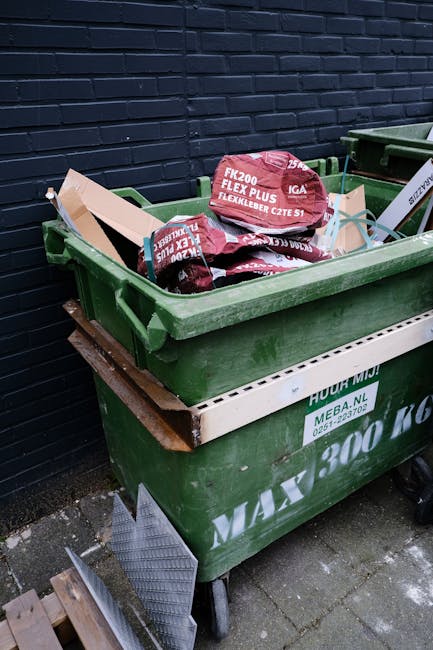
NW8 Resident Guide to Rubbish Collection St Johns Wood
If you live in NW8, you already know rubbish collection can feel simple right up until it isn't. One week everything goes smoothly; the next, there's a broken wardrobe in the hallway, a pile of garden cuttings by the back gate, and a lift that definitely was not designed for a sofa. This NW8 resident guide to rubbish collection St Johns Wood is here to make the whole thing easier to understand, whether you're clearing a flat, managing a refurb, or just trying to stay on top of everyday waste without the drama.
In St Johns Wood, the best waste solution depends on what you're throwing away, how quickly it needs to go, and how much access you have. That sounds obvious, but honestly, it's where people waste the most time. Below, you'll find a practical breakdown of the options, common pitfalls, local considerations, and the sort of advice that helps you make the right call first time.
Why NW8 resident guide to rubbish collection St Johns Wood Matters
Waste removal in NW8 matters because space is limited, access can be awkward, and delays are expensive in a very ordinary way. A missed collection or the wrong disposal method can leave you with clutter in the hallway, bins overflowing outside a property, or bags sitting around long enough to attract complaints. Nobody wants that. Not in a quiet residential street, and not when neighbours are already juggling deliveries, school runs, and parking restrictions.
St Johns Wood also has a mix of housing types: mansion blocks, terraces, maisonettes, flats above shops, and family homes with narrow access points. That mix changes how rubbish should be handled. A service that works brilliantly for a driveway in the suburbs can be clumsy in NW8. So this guide is about matching the job to the setting.
There's also the simple point of time. Residents often don't need a huge disposal solution; they need the right one. Sometimes that means a small domestic option, sometimes a straightforward rubbish removal service, and sometimes a skip is the neatest answer. You'll see the difference more clearly once we break it down.
Expert summary: The best rubbish collection option in NW8 is usually the one that balances access, speed, waste type, and compliance. If you get those four things right, the rest is much easier.
How NW8 resident guide to rubbish collection St Johns Wood Works
At a practical level, rubbish collection in St Johns Wood usually falls into one of three approaches: scheduled council-style collection, private removal, or container-based disposal such as a skip. The right one depends on what you're getting rid of and how much control you need over timing.
For small, everyday waste, residents tend to rely on normal household collection arrangements. But if you're clearing bulky items, moving out, refurbishing a flat, or dealing with awkward waste, that is where specialist help becomes more useful. In a lot of NW8 homes, the real challenge is not the rubbish itself. It's getting it out of the property cleanly without upsetting the building, neighbours, or your own schedule.
Private waste services can collect mixed household rubbish, bulky furniture, appliances, clearance waste, and sometimes building waste depending on the service you choose. If you're unsure what you've actually got, it helps to check what's allowed before booking. A useful starting point is the site's guide on what can go in a skip, because many residents use skip rules as a quick reference even if they later choose a different collection method.
For larger or more frequent rubbish, residents often compare skip hire, grab hire, wait and load, or direct rubbish removal. The decision usually comes down to access. For example, if a van cannot park close enough for safe loading, a small skip or wait-and-load arrangement may be cleaner than dragging bags through the building at 8am. Let's face it, that sort of thing wakes everyone up.
Key Benefits and Practical Advantages
Choosing the right rubbish collection method in St Johns Wood offers more than just a tidy kerb. It saves time, reduces stress, and cuts down the risk of making a mess during removal. That matters in a place where buildings are close together and space is precious.
- Cleaner clear-outs: You can remove waste in one organised move instead of dragging the job out over several days.
- Better use of limited space: In NW8, that matters more than people expect. A bulky item left in a hallway can become a real nuisance fast.
- Less disruption: If you plan properly, you reduce noise, blockages, and repeated trips through shared areas.
- More predictable costs: Clear pricing and clear waste volumes make it easier to budget, especially for refurbishments or landlord works.
- Safer handling: Proper collection reduces the chance of lifting injuries, broken items, and contamination from unsuitable waste types.
There's also a sustainability angle. Responsible waste handling means recycling materials where possible and keeping reusable items out of landfill when that can be avoided. If that matters to you - and it probably should - the company's approach to recycling and sustainability is worth reviewing before you book anything.
Another benefit people overlook: a good collection plan makes it easier to keep a property presentable. That is especially handy if you're dealing with end-of-tenancy cleaning, sale preparation, or a family clear-out where emotions are already running a little high.
Who This Is For and When It Makes Sense
This guide is useful for a wide mix of NW8 residents, not just those doing a full house clearance. In practice, it helps if you're in any of these situations:
- you live in a flat and need bulky waste removed without disturbing neighbours;
- you are replacing furniture, flooring, or appliances;
- you are a landlord or letting agent managing a quick turnaround;
- you are clearing a loft, garage, or storage room;
- you are renovating a kitchen or bathroom;
- you have garden waste after a seasonal tidy-up;
- you need office or commercial waste handled discreetly;
- you have mixed rubbish and want a fast, one-stop solution.
It also makes sense for people who don't want to spend all weekend sorting bags, lifting broken furniture, or guessing whether something can go in a general collection. If you've ever stared at a cracked bed frame and thought, "Right, where exactly does this go?", you're in the right place.
For homeowners doing bigger clearances, services like domestic skip hire can be practical. For smaller or time-sensitive jobs, a man and van service may suit better. The point is not to force one method onto every job; it is to match the method to the mess.
Step-by-Step Guidance
If you want a smooth rubbish collection in St Johns Wood, work through it in order. It sounds basic, but a little structure saves a surprising amount of hassle.
- Identify the waste type. Separate general rubbish, bulky furniture, green waste, construction debris, and anything that might need special handling. Do not leave this to the last minute.
- Estimate volume. A few bags, a couple of chairs, or a full room clear-out all point to different solutions. Volume changes the price, the vehicle, and the time needed.
- Check access. Consider stairs, lifts, narrow roads, parking limits, and whether a vehicle can stop close enough to load safely.
- Choose the right service. Compare skip hire, wait and load, grab lorry hire, or full rubbish removal. If you are uncertain, start by looking at skip hire options and wait and load skip hire.
- Book for the right timing. If you need the waste gone before builders arrive, or before a tenancy check-out, do not leave the booking until the evening before.
- Prepare the waste. Bag loose rubbish, flatten boxes if possible, and keep prohibited items separate.
- Plan safe collection. Keep pathways clear, protect floors if needed, and warn anyone else in the building.
- Confirm recycling or disposal handling. A responsible provider should be able to explain how mixed loads are sorted and what happens next.
If the job includes bulky items like a fridge, sofa, or mattress, it is worth checking specialist support rather than trying to fit everything into a generic collection. Services such as fridge and appliance removal or mattress and sofa disposal can be much easier than wrestling with item-by-item arrangements.
Expert Tips for Better Results
Here's the part that saves people the most frustration. Small choices make a big difference.
Tip 1: Sort before you book. If you know there is mixed waste, separate anything sharp, wet, or breakable. It makes loading faster and reduces the chance of something tearing on the way out.
Tip 2: Choose access-friendly options. In NW8, access can matter more than volume. A smaller collection that fits the building is often better than a larger one that causes problems at the kerb.
Tip 3: Ask about loading rules. Some services are ideal when you can load quickly, while others are better when the waste can be left for longer. If you have a tight road, a wait and load arrangement may be the least awkward choice.
Tip 4: Think about security. If your waste contains paperwork, personal records, or sensitive material, use a specific confidential disposal route rather than bundling it in with everyday rubbish. The option for confidential shredding exists for a reason.
Tip 5: Don't overfill containers. It sounds obvious, but overfilled skips or vans can lead to delays and added costs. Keep loads level and manageable.
Tip 6: Keep a little flexibility. London days are rarely perfect. A delivery van, building work next door, or a parking issue can all shift timing. Allow a little breathing space where you can.
And one more, because it matters: if you are unsure whether your waste is classed as general, bulky, or specialist, ask before collection. Ten minutes of clarity beats a last-minute scramble with a bag of "probably fine" items. Spoiler: sometimes it is not fine.
Common Mistakes to Avoid
Most rubbish collection problems in St Johns Wood are not dramatic. They are practical mistakes that snowball. The good news? Most are easy to avoid.
- Booking the wrong size or type of service. A small job can become expensive if you book something oversized, while an undersized service creates repeat trips.
- Mixing restricted waste into general rubbish. Hazardous or specialist items need separate handling. If in doubt, review hazardous waste disposal before you commit.
- Ignoring access issues. A service may look fine on paper but become awkward if there's no safe place to load or park.
- Leaving collection too late. End-of-tenancy deadlines and refurbishment schedules do not wait for anyone. Not even for a "quick" Monday morning call.
- Assuming all bulky waste is the same. Sofas, appliances, and builder's rubble often need different handling.
- Forgetting building rules. Shared blocks may have collection windows, access procedures, or quiet-hour expectations.
Another common issue is underestimating how long a clear-out takes. A single room may look simple until you start moving everything out and realise half of it is more awkward than expected. That is when people wish they had planned ahead by an hour or two.
Tools, Resources and Recommendations
You do not need fancy tools to manage rubbish collection well, but a few practical things help:
- Heavy-duty bin bags for loose household waste and smaller soft items.
- Gloves and closed shoes for safe handling. A quick clear-out can still catch a hand or toe if you rush.
- Boxes or crates for sorting items that might be reused, recycled, or sent separately.
- Tape, labels, or marker pens for marking sensitive or special items.
- A tape measure for checking bulky furniture, especially if doorways or lifts are tight.
For bigger jobs, it is also helpful to look at the service pages that match your waste type. A few useful starting points are builders skip hire for renovation waste, garden waste removal for green material, and house clearance if the property needs a fuller emptying.
If you prefer a no-nonsense approach, the quote process matters too. Clear photos and a short description usually help more than a long vague explanation. The site's pricing and quotes page is a sensible place to start when you want to compare options without guessing.
For people who want a more controlled collection, enclosed and lockable skip hire can be useful for keeping waste contained, especially where security or tidiness matters. That is not for every job, but in a dense residential area it can make a real difference.
Law, Compliance, Standards, or Best Practice
Waste disposal in the UK should always be approached with care. As a resident, you may not need to know every rule in detail, but you do need to understand the basics: waste should be handled safely, kept separate where required, and passed to a legitimate carrier or disposal route.
The safest approach is to use a company that can explain how waste is collected, transported, and processed. That includes whether recyclable materials are separated, how mixed loads are handled, and what happens to items that cannot go into a standard collection. A good provider should also have straightforward policies covering health and safety and insurance and safety.
If your collection is linked to building work, the standards become even more important. Construction waste, demolition waste, and builders' debris often need more structured handling than household rubbish. For those situations, the relevant pages include construction waste disposal, construction waste clearance, and demolition waste removal.
Permits can also matter. If a skip needs to sit on public land, you may need a permit arrangement rather than simply leaving it in place. A useful place to understand that side of the process is skip hire permits or the broader skip permits information. The exact rules depend on the location and setup, so it is always worth checking before booking.
Best practice, in plain English, is simple: keep waste legal, keep it safe, keep it sorted, and keep records if you are handling sensitive or commercial material. If you do those things, you are already ahead of the pack.
Options, Methods, or Comparison Table
Different waste jobs call for different methods. Here's a practical comparison to help you decide what suits your NW8 property.
| Method | Best for | Strengths | Things to watch |
|---|---|---|---|
| Rubbish removal | General clear-outs, bulky items, mixed household waste | Fast, flexible, minimal fuss | May need clear access and loading space |
| Skip hire | Refurbs, garden work, larger domestic clearances | Handy for ongoing loading over time | May require a permit and proper siting |
| Wait and load | Short-stay collections in tight streets or restricted areas | Useful where parking is limited and speed matters | You need to be ready to load quickly |
| Grab hire | Heavy or loose material, larger outdoor jobs | Efficient for bulky loose waste | Access and loading reach need to suit the vehicle |
| Man and van | Single items, mixed bags, smaller clearances | Very flexible and personal | Not always best for very heavy construction waste |
For many NW8 residents, the choice comes down to a simple question: do you want time to fill a container, or do you want the waste gone in one organised visit? That is the heart of it.
Case Study or Real-World Example
A typical St Johns Wood scenario goes like this. A resident in a second-floor flat is replacing a sofa, several wardrobes, and a few broken chairs after a long-deferred declutter. There's a shared entrance, limited parking, and a narrow stairwell that makes lifting awkward. The first instinct is to just "get rid of it somehow." Fair enough. But that usually leads to delays.
In this kind of case, a clear plan helps. The resident checks what can be removed as bulky waste, separates anything recyclable, and arranges collection for a time when the building is quieter. Because the stairwell is tight and there is no room for long-term storage outside, a direct collection method makes more sense than leaving a skip on the street. If the load includes a mattress, a sofa, and a fridge, individual specialist handling may be better than forcing everything into one general move.
What makes the job successful is not luck. It's the order of operations. Measure the items, check the route, confirm the collection type, and make sure the waste is ready to go. The result is a calm, one-morning clear-out instead of a two-day headache with a pile of cushions in the lounge. Quite a difference, really.
Practical Checklist
Before you book, run through this list. It keeps the process much tidier.
- Have I identified exactly what needs removing?
- Is any of it hazardous, confidential, or specialist waste?
- Do I know whether the load is small, medium, or large?
- Will a vehicle or skip fit the access available at my property?
- Do I need a permit or a short-stay option?
- Have I checked building rules, parking limits, or delivery windows?
- Are all loose items bagged or boxed safely?
- Have I chosen the most practical service for the timeline?
- Do I need supporting services such as office clearance, site clearance, or garage and loft clearance?
- Have I confirmed how the waste will be handled after collection?
If you can tick most of those off, you are in good shape. If not, pause for a moment and sort the unknowns first. It genuinely saves money and stress.
Get a free quote today and see how much you can save.
Conclusion
The best way to think about rubbish collection in NW8 is this: it is less about getting rid of waste and more about choosing the right route for the job. In St Johns Wood, where access, neighbours, and timing can all matter, a little planning goes a long way. Whether you need a quick household clear-out, a permit-aware skip solution, or a more specialised service, the goal is the same - a clean finish with as little fuss as possible.
If you remember only one thing from this guide, make it this: match the method to the waste, not the other way round. That one decision saves a lot of bother. And honestly, that's usually enough.
When you're ready, choose the service that fits your space, your schedule, and your peace of mind. The rest will follow.
Frequently Asked Questions
What is the best rubbish collection option for an NW8 flat?
For many flats in St Johns Wood, the best option is a flexible collection method that suits limited access, such as rubbish removal, man and van, or wait and load. The right choice depends on stairs, parking, and how quickly you need the waste gone.
Do I need a permit for a skip in St Johns Wood?
If a skip is placed on public land or in a location that affects the highway, a permit may be required. The safest approach is to check skip permit requirements before booking so there are no last-minute surprises.
Can I mix garden waste with household rubbish?
Sometimes mixed loads are possible, but it is usually better to separate garden waste where you can. Clean separation helps recycling and can make the collection more efficient.
What should I do with a fridge or freezer?
Fridges and freezers often need specialist handling because of their components and disposal requirements. It is better to use a dedicated appliance removal service than to assume they can go with standard rubbish.
Is wait and load suitable for busy London streets?
Yes, often it is. Wait and load can work very well in areas where parking is tight and you want waste removed quickly. You just need to be organised and ready when the vehicle arrives.
How do I know if I need skip hire or rubbish removal?
If you want time to fill a container over several hours or days, skip hire may be better. If you want a one-off removal with less effort on your side, rubbish removal is often the simpler option.
Can bulky furniture be collected from inside the property?
Usually yes, provided access is safe and the provider is prepared for internal collection. Sofas, wardrobes, and beds are common examples, but it helps to measure doorways and stairs first.
What happens to collected waste?
Responsible providers sort and process waste for reuse, recycling, or disposal depending on the material. Mixed loads are typically separated after collection where possible.
Is confidential shredding necessary for home paperwork?
If the paperwork contains personal or sensitive information, confidential shredding is a sensible choice. It gives a cleaner finish than simply throwing documents into general waste.
What is the quickest option for rubbish collection in NW8?
The quickest option is often a same-day or short-notice collection where access is straightforward and the waste is ready to load. For urgent jobs, it is worth looking at same day skip hire as well as direct removal options.
Can builders' waste be collected from a small residential job?
Yes. Small renovation jobs often produce mixed rubble, timber, and packaging that can be handled through builders' waste services or construction waste clearance. The key is to describe the load accurately when booking.
How can I make collection day easier?
Sort the waste early, keep access clear, and make sure the collection point is easy to reach. A bit of preparation makes the whole thing faster and usually cheaper too.
For anything beyond a simple bag-and-bin job, it is worth comparing the service options carefully and choosing the one that feels least disruptive to your home or building. That is usually the smartest move, and in NW8, smart moves matter.